The MDR1 gene and why it matters
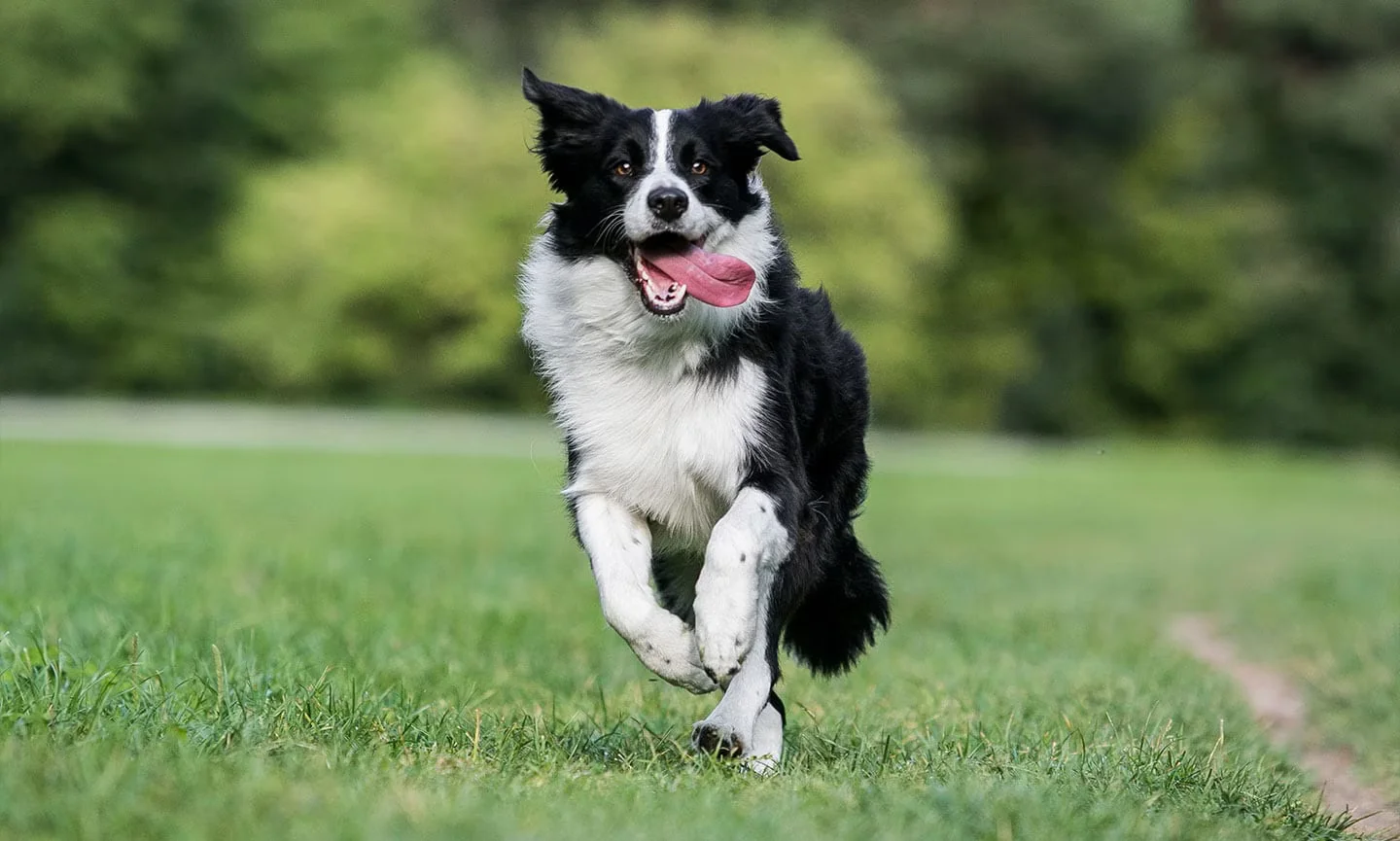
MDR1 is a gene mutation found at meaningful rates in herding breeds, particularly Border Collies, Australian Shepherds, and related breeds like Collies and Shetland Sheepdogs. The mutation affects a protein that normally helps keep certain drugs out of the brain. Dogs with the mutation can have severe, sometimes life-threatening reactions to specific medications at doses that would be safe for other dogs, including some sedatives, anti-diarrheal medications, and certain drugs occasionally used in reproductive or emergency care.
Testing for MDR1 status is a simple cheek swab test and is worth doing before breeding a herding breed, not just for the mother's safety during pregnancy and whelping, but because the mutation can be passed on to puppies as well. If your dog's MDR1 status is unknown and a medical situation arises during pregnancy or delivery, let your veterinary team know your dog's breed background so they can factor that into medication choices. For more on which drugs are commonly affected, see our MDR1 gene guide.
Pregnancy and delivery for these breeds
Like most medium and large breeds without brachycephalic or extreme size characteristics, Border Collies, Australian Shepherds, and Rottweilers typically deliver without needing surgical assistance. Litters commonly range from six to ten puppies depending on the breed and individual dog, and pregnancies last about 63 days from ovulation, consistent with other dog breeds.
Managing activity level during pregnancy
These are naturally high-drive, high-energy breeds, and many pregnant working or herding dogs want to continue their normal activity level well into pregnancy. Moderate exercise is generally fine through most of pregnancy and can support a healthy delivery, but strenuous exercise, jumping, and high-impact activity should be gradually reduced in the final few weeks as the due date approaches. This can be a real adjustment for a dog used to intense daily activity, so plan for lower-impact mental stimulation, like scent games or short training sessions, to help her stay satisfied without the physical strain.
Signs labor needs veterinary attention
Even in lower-risk breeds, contact your veterinarian immediately if you notice active straining for more than 30 minutes without a puppy appearing, more than two to four hours between puppies when you believe more remain, dark or foul-smelling discharge before the first puppy arrives, or a mother who becomes weak or disoriented at any point.
Postpartum activity restriction
After whelping, plan for a period of restricted activity for several weeks, even if your dog seems eager to resume normal exercise sooner. Jumping and high-impact movement too soon after delivery can strain healing tissue, and a nursing mother's energy is better spent on milk production and puppy care than on intense exercise. Working and herding breed owners in particular may need to be intentional about enforcing rest, since these dogs often don't self-limit their activity level the way some other breeds naturally do.
Frequently Asked Questions
What is the MDR1 gene and why does it matter during pregnancy?
MDR1 is a gene mutation common in herding breeds like Border Collies and Australian Shepherds that affects how a dog's body processes certain medications. Dogs with the mutation can have severe reactions to specific drugs, including some used during pregnancy or whelping, so testing for MDR1 status before breeding helps your veterinarian choose safe medications if intervention is needed.
Should I restrict exercise for a pregnant working breed dog?
Moderate exercise is generally fine through most of pregnancy, but high-drive working and herding breeds often want to continue intense activity levels that aren't appropriate as the due date approaches. Gradually reduce strenuous exercise in the final weeks and follow your veterinarian's specific guidance for your dog.
Do working and herding breeds have easier deliveries than other dogs?
Generally yes, since these breeds don't carry the structural risks seen in brachycephalic or very small toy breeds. However, any dog can develop dystocia, so owners should still know the signs of a difficult labor and have a veterinarian available during whelping.
Medical disclaimer: This article is for educational purposes only and does not constitute veterinary advice. Always consult a licensed veterinarian for diagnosis and treatment of your pet's health conditions.