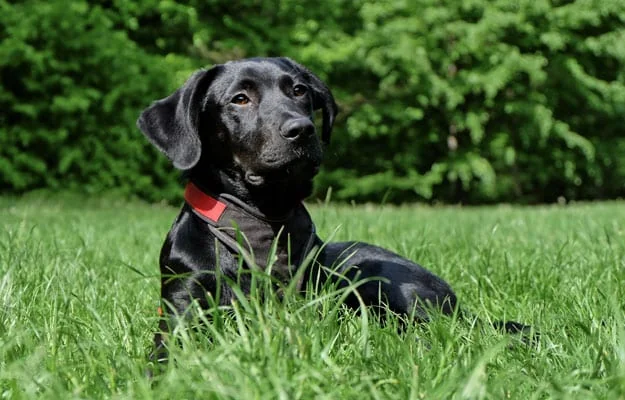

Large dogs require more than extra space and bigger food bowls. Vet bills scale with weight — medications, anaesthesia, and procedures are dose-dependent, making large breed healthcare significantly more expensive. Their lifespan is also considerably shorter than small breeds: a Great Dane at 7 is biologically older than a Chihuahua at 10. Bloat (gastric dilatation-volvulus) is a life-threatening emergency that affects large, deep-chested breeds and requires every owner to recognise the signs. For the right family, however, the companionship large dogs offer is genuinely difficult to match at any size.
What Every Large Breed Owner Should Know
- Large breeds are generally defined as dogs weighing over 50 pounds. Giant breeds exceed 90 pounds and have additional specific care considerations
- Large breed puppies must be fed large-breed specific puppy food. Standard puppy formulas can accelerate growth in ways that damage developing joints
- Large and giant breeds have shorter average lifespans than small dogs — our guide on pet hospice care is worth reading while your large dog is still healthy, not when a crisis arrives. A Great Dane at 7 years is biologically older than a Chihuahua at 10
- Bloat (gastric dilatation-volvulus) is a life-threatening emergency more common in large, deep-chested breeds. Every large breed owner should know the signs
- Hip and elbow dysplasia screening of breeding parents is essential. Ask any breeder for OFA or PennHIP certification before purchasing
- Energy level varies enormously across large breeds. Size alone tells you very little about how much exercise a particular breed needs
In This Guide
Large dogs occupy a special place in family life. They are physically present in a way that smaller dogs simply are not. They take up room on the sofa. Their tails clear coffee tables at speed. Their food bills are meaningful, their vet bills larger, and their lives, sadly, shorter. And yet the people who live with large dogs are typically among the most devoted dog owners there are. The bond a large breed forms with its family tends to be deep, demonstrative, and remarkably long-term.
The category of large dog breeds is extraordinarily diverse. The gentle, water-loving Newfoundland and the athletic, driven Weimaraner are both large breeds but share almost nothing in terms of temperament, exercise requirements, or the lifestyle they suit. Understanding what makes each breed distinct, rather than treating all large dogs as interchangeable, is the key to a successful match between dog and owner.
What Counts as a Large Dog Breed
There is no single universal definition, but the most widely used framework breaks dog sizes into four broad categories: small (under 20 lbs), medium (20 to 50 lbs), large (50 to 90 lbs), and giant (over 90 lbs). This guide focuses primarily on large breeds in the 50 to 90 pound range, with profiles of several giant breeds included because they are frequently sought alongside the large category.
Large breeds span an enormous range of the AKC's breed groups, including Working, Sporting, Herding, and Hound groups. They were developed for widely different purposes: retrieving waterfowl, herding livestock, guarding estates, hunting dangerous game, and pulling sleds across Arctic terrain. That diversity of original purpose is reflected in the wide range of temperaments and needs across large breeds today.
What Large Breeds Generally Share
Physical Presence
Large dogs require more physical management. A 70-pound dog that pulls or jumps is genuinely difficult to handle. Training from puppyhood is not optional.
Higher Running Costs
Food, flea treatment, medication doses, boarding fees, and veterinary procedures are all typically priced by weight. Large dogs cost more to maintain.
Shorter Lifespan
Large and giant breeds live shorter lives than small dogs, typically 9 to 12 years for large breeds and 7 to 10 years for giant breeds.
Joint Health Focus
Hip and elbow dysplasia are significantly more common in large breeds. Weight management, appropriate exercise, and joint support throughout life reduce the impact.
Specialist Nutrition Needs
Large breed puppies need size-appropriate puppy food. Adults benefit from joint-supportive formulas. Bloat risk makes feeding practices important.
Space Requirements
Large dogs need enough indoor space to be comfortable and enough outdoor access for exercise. Many large breeds adapt to city life well when exercise needs are met.
Large Dog Breed Profiles
Labrador Retriever Most Popular in the USA
The Labrador Retriever has been the most popular dog breed in the United States for over three decades, and the reasons are evident to anyone who has spent time with one. Labs are friendly, outgoing, endlessly enthusiastic, and deeply patient with children, strangers, and other animals alike. Originally bred to retrieve game from water for hunters in Newfoundland, they retain a strong love of swimming, carrying objects, and working alongside people. They need clear daily exercise and are prone to obesity when overfed or under-exercised. Hip dysplasia, elbow dysplasia, and exercise-induced collapse are breed-specific health concerns. See our full Labrador Retriever guide.
Golden Retriever Best Family Dog
The Golden Retriever is defined by patience, gentleness, and a seemingly unlimited capacity for affection. They are exceptional family dogs and consistently rank among the most recommended breeds for homes with young children. Golden Retrievers excel as therapy and service dogs because of their calm, people-focused temperament and willingness to remain steady in challenging situations. They are eager to please and straightforward to train with positive reinforcement. Cancer incidence is notably high in Golden Retrievers, particularly in American lines. See our Golden Retriever guide for a full overview.
German Shepherd Most Versatile
The German Shepherd is one of the most capable, intelligent, and loyal large breeds in the world. Their versatility is unmatched: they serve as police and military dogs, search and rescue animals, guide dogs, herding dogs, and devoted family companions. German Shepherds are confident and alert, forming deep bonds with their family while remaining appropriately reserved with strangers. They require consistent training, marked daily exercise, and thorough early socialisation. Hip dysplasia and degenerative myelopathy are notable breed-specific health concerns. See our complete German Shepherd guide.
Bernese Mountain Dog Gentle and Devoted
The Bernese Mountain Dog is a classic gentle giant, calm and affectionate with family, patient with children, and genuinely easy to live with by large breed standards. Their thick, silky tricolour coat is beautiful but sheds heavily. Originally a Swiss farm and draft dog, they enjoy outdoor activity but do not have the frantic energy of some working breeds. Their lifespan is shorter than many large breeds at 7 to 10 years, and they are unfortunately prone to several serious conditions including cancer, hip and elbow dysplasia, and bloat. Health testing of breeding stock is particularly important in this breed.
Boxer Energetic Family Dog
The Boxer is a playful, high-energy, and deeply loyal breed that bonds intensely with its family. They are clownish and fun-loving, often described as perpetual puppies well into adulthood. Boxers tend to be excellent with children and can be warm with strangers when socialised early, while retaining a natural watchfulness that makes them reliable protective companions. Their short, brachycephalic (pushed-in) muzzle means they can overheat more easily than longer-nosed breeds and are not suited to extreme exertion in hot weather. Heart conditions including aortic stenosis and Boxer cardiomyopathy are breed-specific concerns that warrant cardiac screening in breeding stock.
Weimaraner Athletic and Driven
The Weimaraner, sometimes called the Grey Ghost for its distinctive silver-grey coat and pale eyes, is a high-energy hunting and pointing breed that demands serious daily exercise and major human engagement. They bond intensely with their people and are prone to separation anxiety when left alone for extended periods. Weimaraners are not suited to first-time owners or sedentary households. Given the right owner and outlet, they are athletic, elegant, and deeply loyal companions. Bloat is a considerable concern in the breed. They have a short coat that requires minimal grooming.
Dobermann Pinscher Loyal Guardian
The Dobermann is one of the most intelligent, athletic, and trainable large breeds. They form extraordinarily close bonds with their family and can be deeply affectionate with the people they trust. Well-bred and well-socialised Dobermanns are stable and discriminating rather than indiscriminately aggressive, and their reputation has improved considerably as breed-specific misunderstandings have been addressed by research and advocacy. Dilated cardiomyopathy (DCM) is a serious breed-specific concern, and cardiac screening before breeding is essential. Wobbler syndrome and von Willebrand disease are also seen in the breed.
Newfoundland Gentle Giant
The Newfoundland is among the gentlest and most patient of all large breeds, famously devoted to children and tolerant to a degree that borders on remarkable. Originally a Canadian fishing and water rescue dog, they are strong swimmers and retain a love of water. They are calm indoors and have a moderate exercise requirement relative to their size. Their thick, water-resistant double coat sheds heavily and requires regular brushing. Hip dysplasia, subvalvular aortic stenosis, and bloat are breed-specific health concerns. Their lifespan at 9 to 10 years is shorter than their mild-mannered temperament seems to deserve.
Irish Setter Energetic and Elegant
The Irish Setter is one of the most strikingly beautiful large breeds, with a flowing mahogany coat and an energetic, outgoing personality. They are friendly, playful, and enthusiastic about almost everything, which makes them wonderful family dogs but also means they can be exuberant and difficult to manage without consistent training from puppyhood. Irish Setters need substantial daily running exercise and are not suited to sedentary or small-space living. They can be slower to mature mentally than many large breeds, retaining a puppy-like playfulness into middle age. Longer-lived than many large breeds at 12 to 14 years.
Large Breed Health Considerations
Several health concerns apply broadly across large breeds and deserve specific attention from anyone choosing or living with a large dog.
Gastric dilatation-volvulus (bloat) is a life-threatening emergency in which the stomach fills with gas and twists on its axis, cutting off blood supply. It is significantly more common in large, deep-chested breeds including Great Danes, Weimaraners, Standard Poodles, German Shepherds, and Dobermanns. Signs include unproductive retching, distended abdomen, excessive drooling, restlessness, and rapid deterioration. It requires emergency surgical intervention and can be fatal within hours. Owners of deep-chested large breeds should know the signs and have their emergency vet location confirmed. Prophylactic gastropexy, a procedure that tacks the stomach to prevent twisting, can be discussed with your vet and is increasingly offered at the time of spay or neuter.
Hip and elbow dysplasia are abnormalities in joint development that cause pain, reduced mobility, and early onset arthritis. They are significantly more prevalent in large breeds than small ones. Responsible breeders screen all breeding stock using OFA (Orthopedic Foundation for Animals) or PennHIP evaluations and will have certificates available. Never buy a large breed puppy from a breeder who cannot provide joint health clearances for both parents.
Large Breed Puppy Feeding: Get This Right from Day One Large breed puppies fed standard puppy food can grow too rapidly, which places abnormal stress on developing bone and joint structures and significantly increases the risk of skeletal problems in adulthood. Always feed a food specifically formulated for large breed puppies during the growth period. The label should state "formulated for large breed puppies" or list specific calcium-to-phosphorus ratios appropriate for large breed growth. Ask your veterinarian for a recommendation if you are unsure.
Feeding Large Breed Dogs
Adult large breed dogs typically need a high-quality adult maintenance food appropriate for their activity level. The calorie requirement per pound of body weight for large dogs is lower than for small dogs due to metabolic differences, so large breed-specific formulas are often calorie-adjusted accordingly. Obesity is a meaningful problem in many popular large breeds, including Labradors and Golden Retrievers, and excess weight dramatically accelerates joint wear and increases the risk of diabetes, heart disease, and cancer.
Feed twice daily rather than once. Twice-daily feeding reduces the risk of bloat compared to one large meal per day. Avoid vigorous exercise for at least an hour before and after meals. Use a raised bowl if recommended by your vet, though note that the evidence on raised bowls and bloat risk is not entirely consistent across studies.
Exercise Needs by Large Breed Type
Energy level across large breeds varies enormously, and this variation matters more than size when deciding whether a breed suits your lifestyle. A Great Dane needs moderate daily exercise and is surprisingly well-suited to lower-energy households given its calm indoor temperament. A Weimaraner or Vizsla of similar size needs several hours of vigorous activity every day and will be deeply unhappy and destructive without it.
A rough guide to exercise needs by large breed category: sporting breeds (Labradors, Golden Retrievers, Irish Setters, Weimaraners) generally need 60 to 120 minutes of vigorous activity daily. Herding breeds (German Shepherds) need 60 to 90 minutes plus mental engagement. Working guardian breeds (Rottweilers, Dobermanns) need 60 minutes of vigorous activity. Companion-oriented giant breeds (Great Danes, Newfoundlands, Saint Bernards) are at the lower end, needing 45 to 60 minutes of moderate activity with less intensity.
Choosing the Right Large Breed for You
The three most important questions to answer honestly before choosing a large breed are: how much time can you realistically give to daily exercise, how much are you prepared to invest in training from day one, and how much space do you have both indoors and outdoors.
For active owners who want a genuinely versatile, highly trainable companion for outdoor activities: Labrador Retriever, Golden Retriever, German Shepherd, or Weimaraner.
For families with children looking for a calm, patient large breed: Golden Retriever, Bernese Mountain Dog, Newfoundland, or Labrador Retriever.
For owners who want a loyal, alert companion with guardian instinct: German Shepherd, Rottweiler, or Dobermann, all of which require experienced handling and thorough early socialisation.
For owners with lower energy or smaller living spaces who want the presence of a large dog without extreme exercise demands: Greyhound (remarkably calm indoors despite racing heritage), Great Dane, Saint Bernard, or Basset Hound.